
Getting started
The REST API Course for Beginners: Start Here
You don't need years of experience to learn REST API development. A basic understanding of C# and ASP.NET Core is enough. Pragmatic REST APIs builds the API step by step, from the very first endpoint, so you can follow along even if REST APIs are new to you.
A quick readiness check
Unlike my architecture courses, this one does not ask for a year of professional experience. The bar is genuinely low. If these three things are true, you are ready.
✓You know basic C#
Classes, methods, and interfaces should feel familiar. You do not need to be an expert, just able to read and write simple C# code.
✓You have built at least one small ASP.NET Core app
Any project counts, even a template you tinkered with. You can create a project, run it, and hit an endpoint in the browser.
✓You are willing to build along
The course is hands-on. We write code in every chapter, and typing along is how the material sticks.
Haven't built your first ASP.NET Core app yet? Spend an afternoon with my free Minimal APIs guide, get one endpoint running, and come back. That's all the preparation you need.
Why beginners get stuck with REST APIs
Beginner tutorials teach endpoints, not API design. You learn to return JSON from a controller, you get a 200 response in the browser, and the tutorial ends.
Then the real questions arrive. Which status code do you return when validation fails? What should the error response look like? How do you page through 10,000 records? How do you rename a field without breaking every client? How do you protect an endpoint so users only see their own data? None of that is covered in a 10-minute video, because it is design, not syntax.
The fix is not more scattered tutorials. It is building one complete API where every decision is explained in order, each one building on the last.
How the course builds up from zero
Pragmatic REST APIs spends its first two chapters (5 hours and 30 minutes) on fundamentals and building blocks before anything advanced appears.
Chapter 1 (1h 5m) covers what REST actually is: the Richardson Maturity Model, the API-First approach, and the project setup. It has a free preview, so you can watch it before paying anything.
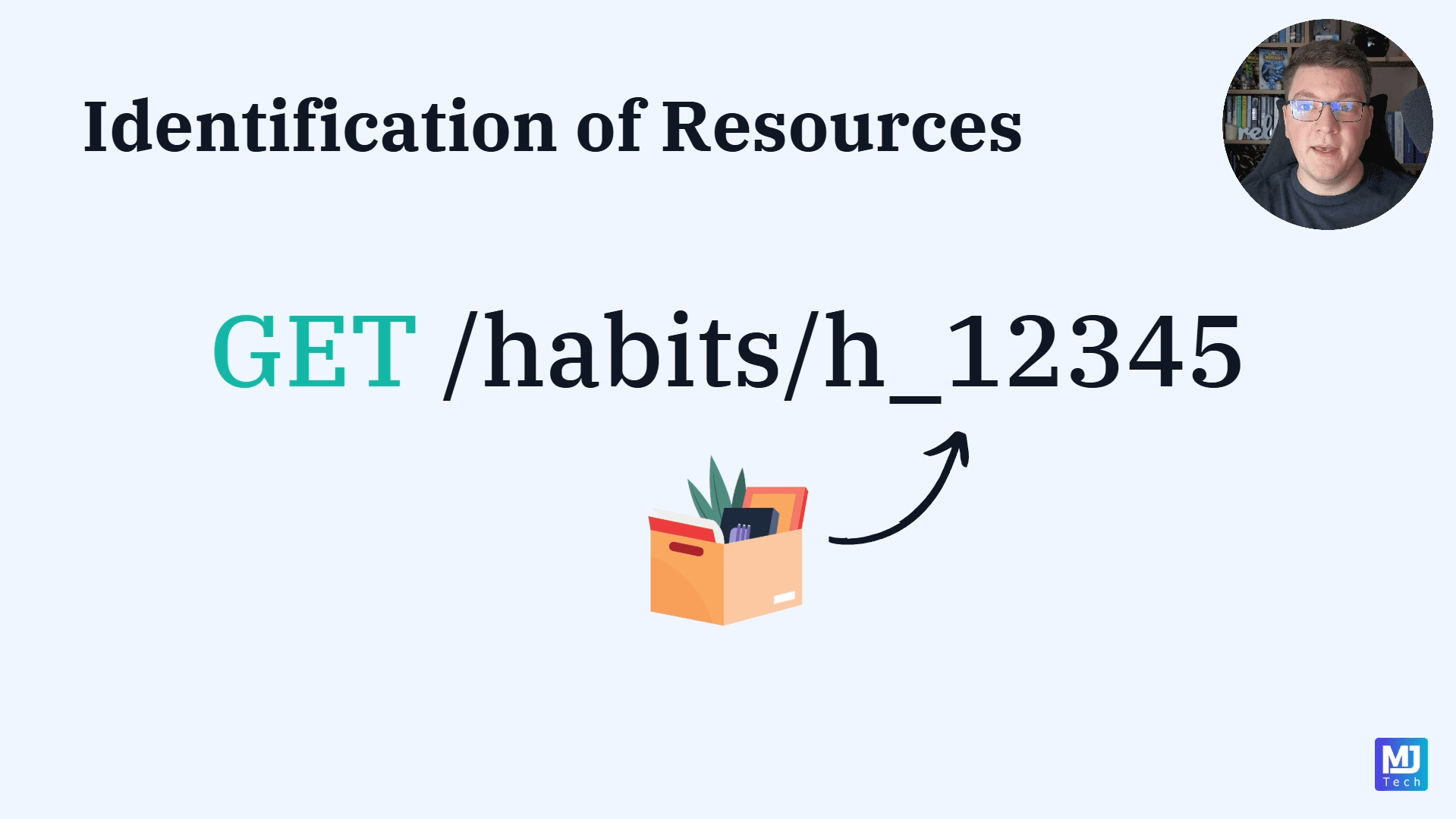
Chapter 2 (4h 25m, 18 lessons) is where you build. HTTP methods and status codes, then the API endpoint by endpoint: GET, POST, PUT, PATCH, DELETE, child resources, validation with Problem Details, exception handling, searching, filtering, sorting, and pagination. The database is introduced with EF Core from scratch, so you learn persistence as you go.
Only then do the advanced topics arrive, one at a time: HATEOAS, versioning, authentication, caching, testing, and deployment to Azure. By the time you reach each one, you have already built the foundation it stands on. And if Docker is new to you, my free Docker guide for .NET developers fills that gap in an evening.
1,900+ engineers have taken the course, and lifetime access means you can move at whatever pace works for you.

Frequently asked questions
Can I take Pragmatic REST APIs as my first API course?
Yes. The course assumes a basic understanding of C# and ASP.NET Core, nothing more. We build the API step by step, so you can follow along even if REST APIs are completely new to you. The first chapters move deliberately through fundamentals before anything advanced appears.
Do I need to know Entity Framework Core?
No. Familiarity with EF Core is helpful but not required. The course has a dedicated lesson introducing the database and EF Core, and every persistence concept is explained as we use it.
Do I need Docker experience?
No. Docker familiarity helps but is not required. You will see how we use it as we go, and the course walks through the project setup from scratch.
How long will the course take me as a beginner?
The course is 14+ hours of video across 9 chapters. You set the pace: a chapter per week alongside a full-time job is a comfortable rhythm. You get lifetime access, so there is no deadline and no rush.
What if I get stuck?
The course is carefully designed to build knowledge progressively, so the chances of getting stuck are minimal. The basic plan includes email support, and the Community plan gives you direct access to me and other students.
Can I try part of the course for free?
Yes. Several lessons are free to preview, including lessons from the REST Introduction chapter, so you can judge the pace and teaching style before spending anything.